Historical regimes
Medieval States
Eighteen kingdoms, empires and city-states of the medieval period, from the Byzantine Empire to the Mongol conquests.
Middle Ages
18 entries · 18 historical
These are states and regimes that no longer exist. They are kept out of the test’s default comparison set and are labelled wherever they appear, so a defunct state is never presented as a present-day match without saying so.
 Abbasid Caliphate750–1258 · no longer existsA Sunni caliphate with its capital in Baghdad, the Abbasids ruled from the Maghreb to Central Asia under a caliph with religious and political authority, with a Persian-style bureaucracy, long-distance trade, and the House of Wisdom in the Islamic Golden Age.
 Old Swiss Confederacy1291–1798 · no longer existsMedieval alliance of autonomous cantons formed from the 1291 Pact, the Old Swiss Confederacy operated without a strong central power, combining direct democracy in local assemblies (Landsgemeinde), independent peasant militias, and weak joint military/diplomatic coordination among the cantons.
 Crown of Aragon1137–1716 · no longer existsA dynastic union of Aragon, Catalonia, and other Mediterranean lands whose constituent realms kept their own laws and assemblies. The Crown expanded through trade and conquest; its institutions were gradually abolished after the War of the Spanish Succession.
 Papal States756–1870 · no longer existsTemporal state of the Papacy, the Papal States united spiritual and political authority under the Pope, applying canon law and clerical government over central Italy for centuries.
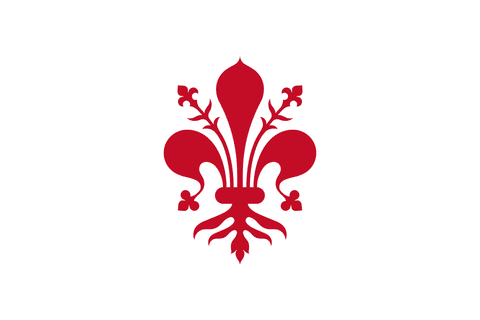 Renaissance Florence1115–1532 · no longer existsA city-state of the Italian Renaissance, Florence united banking and commercial capitalism, factional disputes among guilds and families such as the Medici, and a patronage that revolutionized the arts, letters, and political thought.
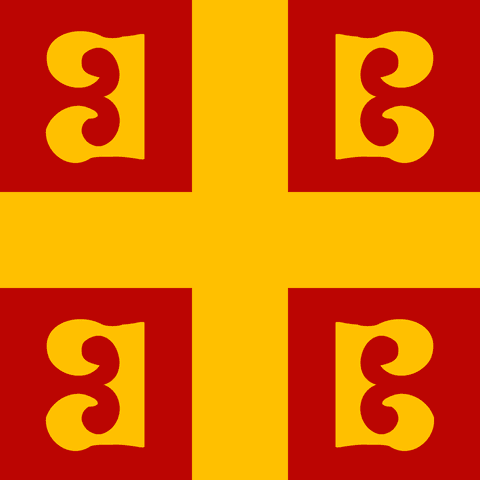 Byzantine Empire330–1453 · no longer existsHeir of the Roman Empire in the East, Byzantium lasted a thousand years fusing Orthodox Christianity, imperial autocracy, and Justinianic law, with the emperor as head of the Church and Constantinople as a Christian capital defending Europe.
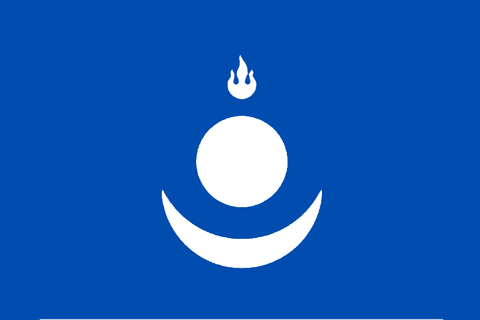 Mongol Empire1206–1368 · no longer existsFounded by Genghis Khan, the Mongol Empire unified steppe tribes, expanded through devastating military campaigns, and ruled diverse peoples through vassalage, tribute, and pragmatic religious tolerance.
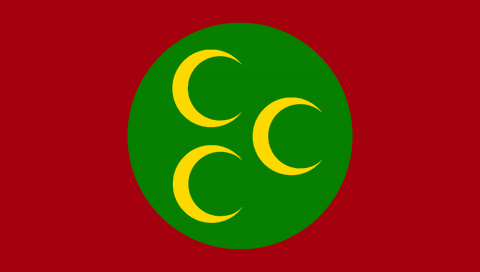 Ottoman Empire1299–1922 · no longer existsA vast Muslim empire, the Ottomans ruled for centuries over lands spanning Europe, Asia, and Africa under the power of the sultan and caliph, uniting religious and political authority with great diversity of peoples and faiths.
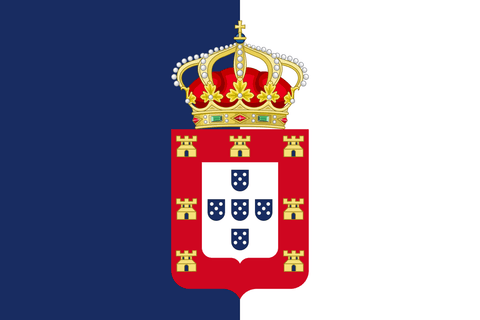 Portuguese Empire1415–1822 · no longer existsThe first and longest-lasting of the European colonial empires (1415–1822), it united absolute monarchy, militant Catholicism, and global thalassocracy, carrying Christian faith, language, and Portuguese administration from the Americas to Africa, India, and Asia.
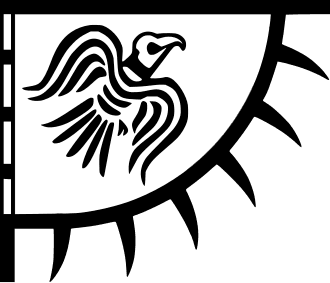 Medieval Iceland (Commonwealth)c. 930–1262 · no longer existsA rare society without a central state, medieval Iceland was organized by local chieftains and an assembly, the Althing, settling disputes through laws and private agreements in a decentralized system close to anarchy.
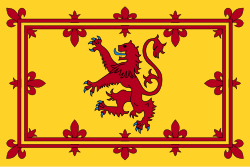 Kingdom of Scotlandc. 843–1707 · no longer existsA sovereign kingdom traditionally dated to 843, with its own Crown, Parliament and law until union with England in 1707. The dynastic union of the crowns in 1603 and the Presbyterian Reformation shaped its history.
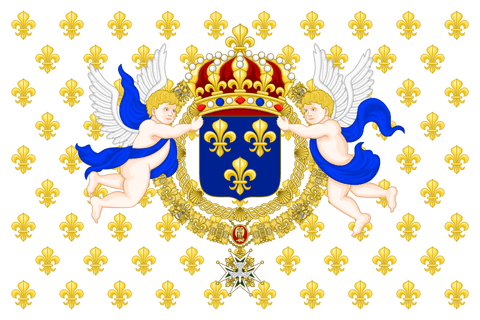 Kingdom of France843–1792 · no longer existsFrom West Francia to the monarchy’s abolition in 1792, the kingdom moved from feudal rule toward centralized absolutism. The Catholic Church, landed aristocracy, and military expansion shaped much of its history.
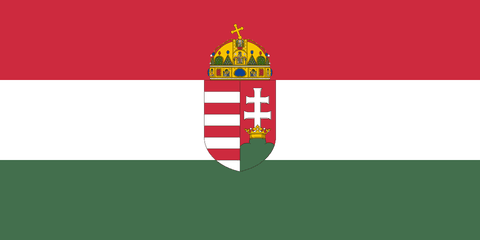 Kingdom of Hungary1000–1918 · no longer existsFounded under Stephen I, the kingdom passed through native dynasties, partial Ottoman rule, and Habsburg government. Nobility, Catholicism, and Hungarian autonomy played changing roles across nearly a millennium.
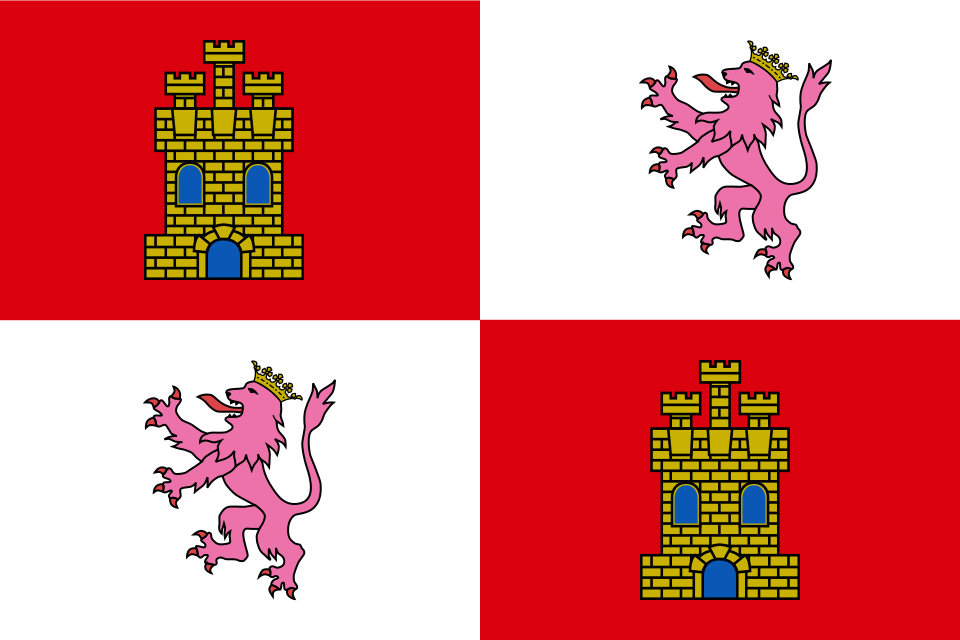 Kingdom of Castile1230–1715 · no longer existsUnited with León in 1230, Castile expanded across Iberia and later the Americas. The Crown, nobility, and Catholic Church shaped its politics; institutions changed over the nearly five centuries covered here.
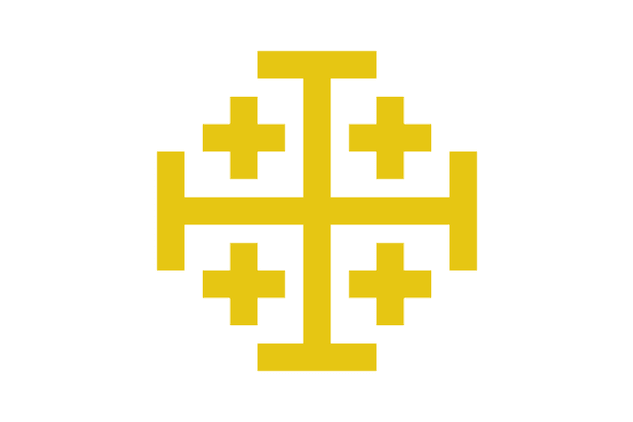 Kingdom of Jerusalem1099–1187 · no longer existsA crusader state founded after the First Crusade, the Kingdom of Jerusalem was a Latin Catholic feudal monarchy, backed by the Templar and Hospitaller military orders, with powerful barons, constant holy war and a Frankish elite over a native majority.
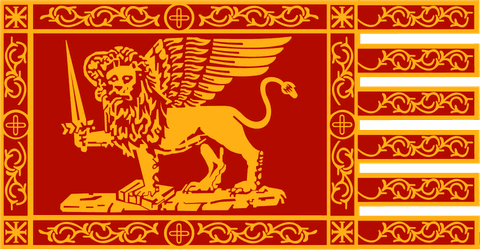 Republic of Venice697–1797 · no longer existsA powerful medieval merchant republic, Venice was governed by a commercial oligarchy that dominated Mediterranean trade, uniting stable institutions, a strong navy, and immense economic power for centuries.
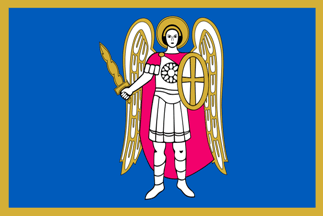 Kievan Rus'c. 880–1240 · no longer existsA dynastic federation of East Slavic principalities, with Kyiv as a political and commercial hub on routes between the Baltic and Constantinople. The court adopted Byzantine Christianity in 988; succession disputes and Mongol invasions dissolved its unity.
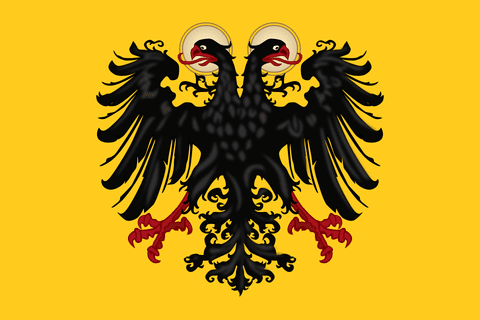 Holy Roman Empire (First Reich)962–1806 · no longer existsA federation of Central European territories, the Holy Roman Empire gathered principalities and cities under an elected emperor and strong Church influence, marked by fragmented power and the autonomy of its members.
Guides and updates
Practical articles that support the main tool pages and answer long-tail search questions.
Blog