Historical regimes
Early Modern States
Twelve states of the early modern period, when dynastic unions, colonial empires and absolute monarchies reshaped the map of Europe and beyond.
Early modern era
12 entries · 12 historical
These are states and regimes that no longer exist. They are kept out of the test’s default comparison set and are labelled wherever they appear, so a defunct state is never presented as a present-day match without saying so.
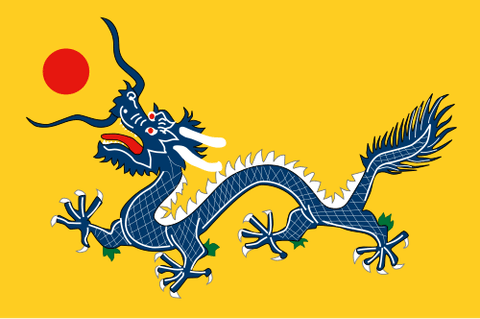 Qing Dynasty China1644–1912 · no longer existsChina's last imperial dynasty, founded by the Manchus, the Qing ruled through a Confucian examination bureaucracy, extended the empire to Tibet and Xinjiang, restricted foreign trade to Canton and declined with the Opium Wars and the Taiping Rebellion.
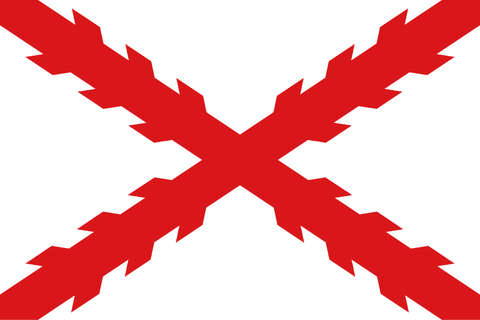 Habsburg Spain1516–1700 · no longer existsHabsburg Spain, especially under Philip II, was a Catholic Counter-Reformation state, marked by the Inquisition, purity-of-blood laws, religious expulsions, and wars defending the faith.
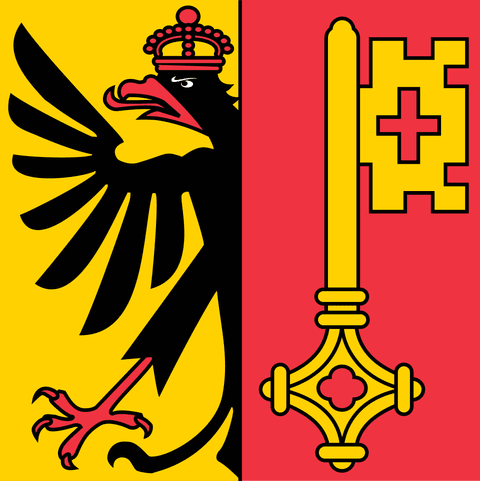 Calvinist Geneva1541–1564 · no longer existsThe city of Geneva under Calvin (1541–1564) organized itself as an urban Reformed theocracy, with the Consistory disciplining public morality and the Ordonnances Ecclésiastiques regulating all religious and civil life and exporting Puritanism.
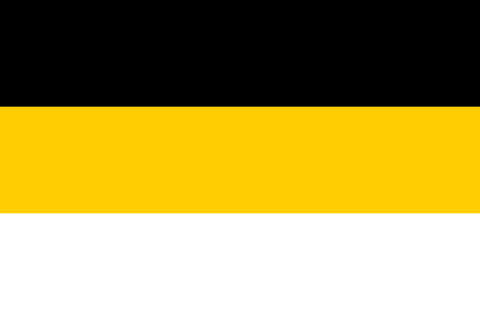 Tsarist Russian Empire1613–1917 · no longer existsThe Russian Empire under the Romanovs combined Orthodox Christianity, dynastic autocracy, territorial expansion, and imperial bureaucracy, with the Tsar as political head and defender of the official faith.
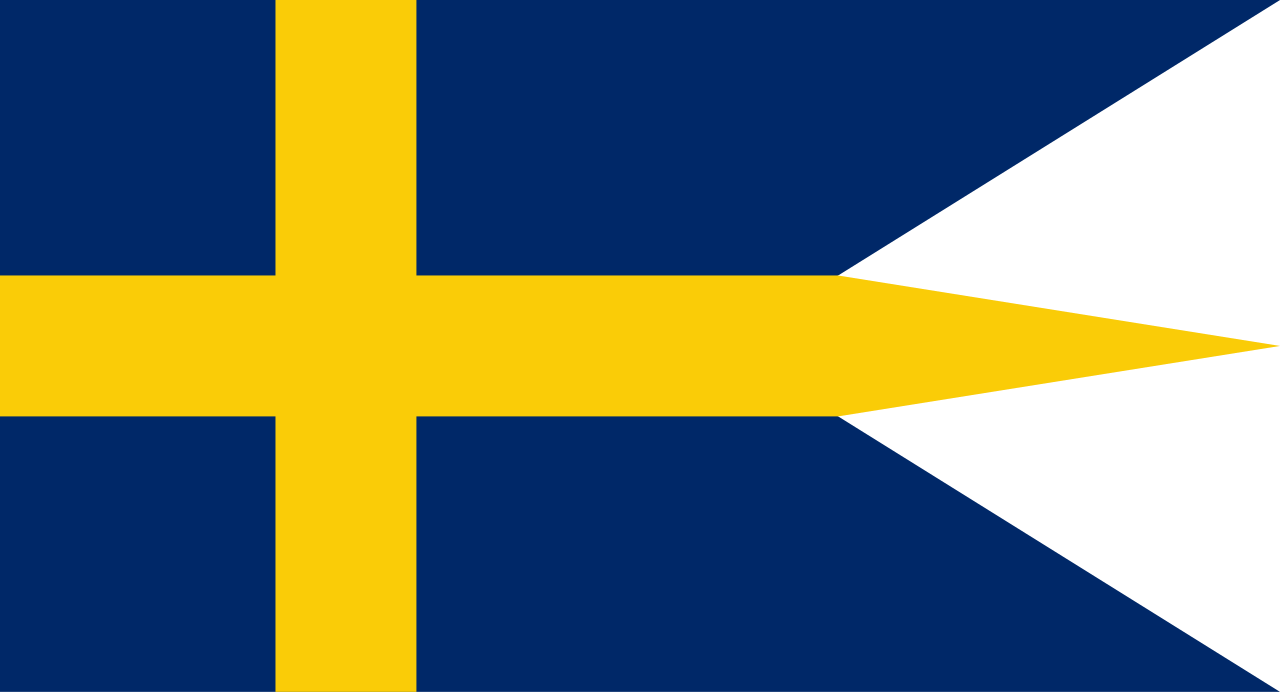 Swedish Empire1611–1721 · no longer existsA Lutheran Baltic power in the Thirty Years' War and the wars of Charles X and Charles XII, the Swedish Empire rested on a fiscal-military state, a monarchy with four estates and the Lutheran Church, until Poltava and Nystad.
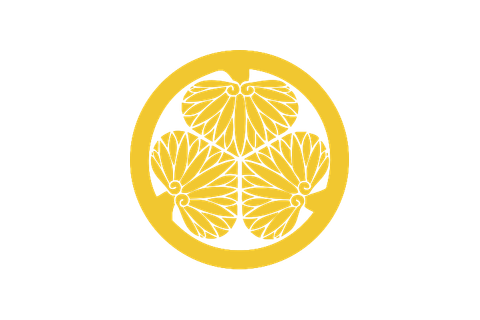 Tokugawa Japan1603–1868 · no longer existsThe Tokugawa shogunate pacified Japan after the Sengoku era with a feudal system of domains (bakuhan), a rigid four-class social hierarchy, official Neo-Confucianism, a ban on Christianity and external isolation (sakoku).
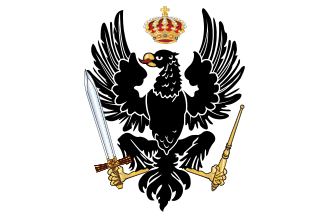 Kingdom of Prussia1701–1918 · no longer existsA German kingdom with a strong military and administrative tradition, Prussia united monarchy, a disciplined bureaucracy, and a powerful army, leading German unification and embodying the cameralist state and enlightened despotism.
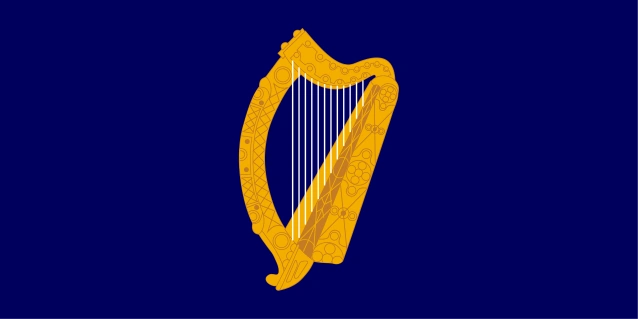 Kingdom of Ireland1542–1800 · no longer existsEstablished in 1542, the kingdom was ruled in personal union by the English and later British Crown, with administration in Dublin. The Catholic majority faced penal laws and political exclusion; legislative union with Great Britain ended the kingdom in 1800.
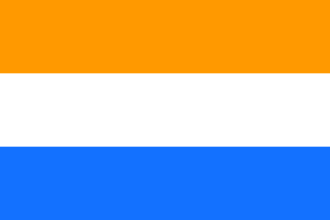 Dutch Republic (United Provinces)1581–1795 · no longer existsA pioneering modern merchant republic, the United Provinces were a confederation governed by a commercial oligarchy, marked by religious tolerance, free trade, and immense naval and financial power at their height.
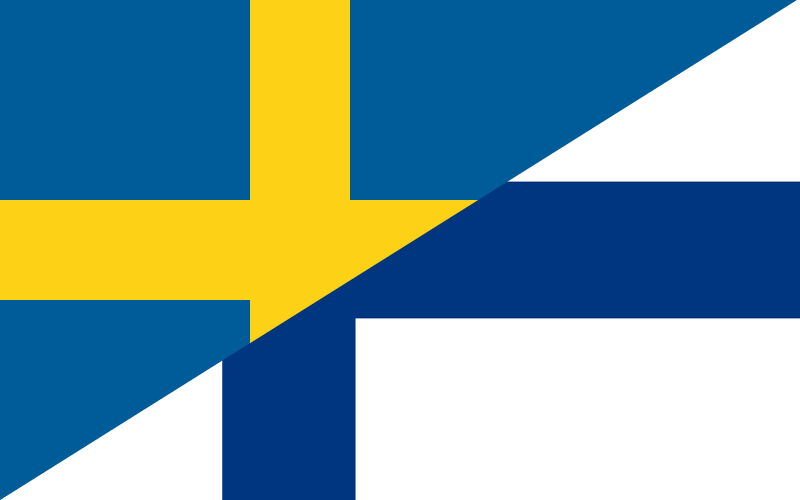 Sweden-Finland1721–1809 · no longer existsThe kingdom of Sweden-Finland after the loss of empire: the Age of Liberty with a Riksdag of four estates, pioneering press freedom (1766), Gustav III's absolutist coup in 1772 and the loss of Finland to Russia in 1809.
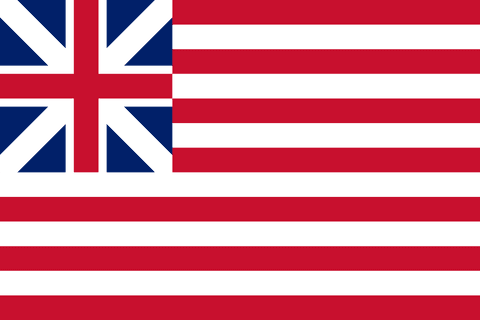 Thirteen British Coloniesc. 1732–1776 · no longer existsBritish colonies on the North American Atlantic coast, with assemblies of white property owners, governors appointed by the Crown, established and dissenting churches, trade under the Navigation Acts, slavery in the South and expansion into Indigenous lands.
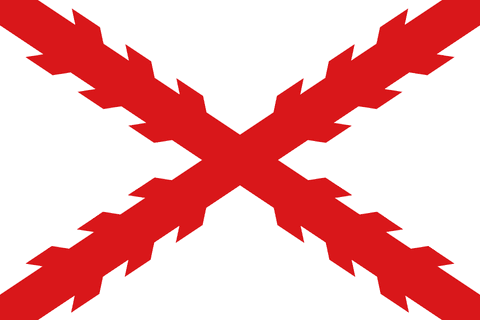 Viceroyalty of New Spain1535–1821 · no longer existsThe Spanish viceroyalty covering Mexico, Central America, today's US Southwest and the Philippines, governed by a viceroy and audiencias under royal patronage, with the Inquisition, a caste society, haciendas, silver mining and Crown-monopolized trade.
Guides and updates
Practical articles that support the main tool pages and answer long-tail search questions.
Blog